
What Are eSIMs and How Are They Revolutionizing Mobile Connectivity?
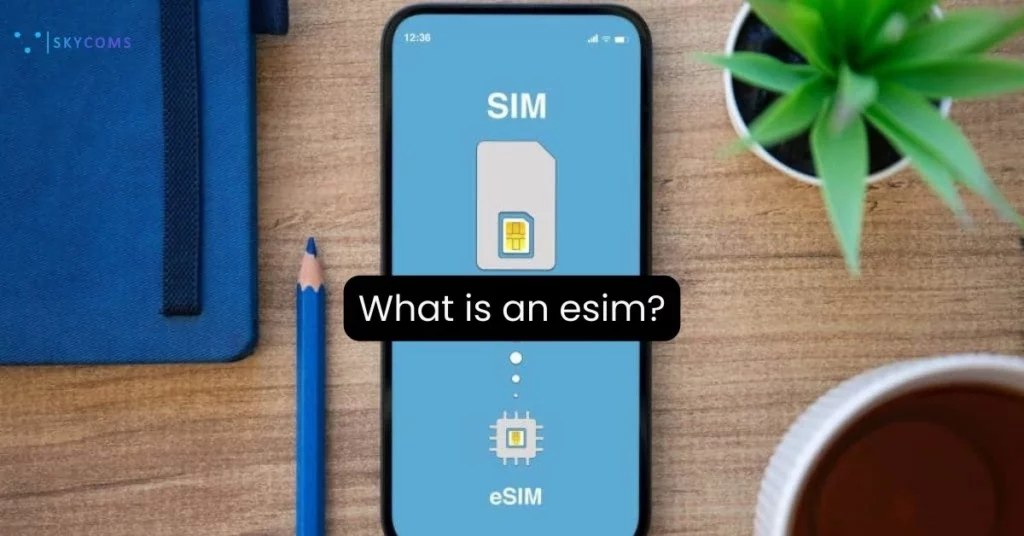
Have you ever wanted an easier way to stay connected, especially when changing phone carriers or traveling? eSIM technology can help with that. You can forget about small plastic SIM cards and the hassle of swapping them. With eSIMs, staying connected is simpler. But what are eSIMs, and why is everyone talking about them? In this blog, we’ll explain what are eSims, how eSIMs work, their benefits, and how they are used in real life. Let’s take a look at this technology that is changing how we connect.
What does eSIM stand for?
eSIM is a digital SIM card that is embedded directly into a device like a smartphone, smartwatch, tablet, or even a car. The “e” in eSIM stands for “embedded,” which means you can change carriers or manage multiple numbers.
Unlike traditional SIM cards, which are physical chips inserted into a phone, eSIMs are built into the device’s hardware. This technology makes it easier than ever to stay connected, especially for travelers and those who need multiple networks.
What is an eSIM and how does it operate?
An eSIM card is like a digital version of a regular SIM card. It’s a small chip built into your device that you can program to connect to mobile networks without any need for a physical card. This means you don’t have to handle a card or go to a store when you want to change your data plan or phone service.
eSIM cannot be removed, as it is inside your phone. To switch to a new carrier, you must activate your phone with that carrier, and the eSIM will automatically update to connect to their network.
How is an eSIM different from a regular SIM card?
An eSIM is a digital version of the regular SIM card that connects your device to a mobile network. It is built into newer smartphones and can be changed using software, so you don’t need to buy a new SIM card when switching phones or carriers. eSIMs are also found in tablets, smartwatches, drones, and cars. They save space and make it easier to connect to networks.
What does an eSIM do?
It allows users to activate a cellular plan remotely by scanning a QR code or through device settings, making the process seamless and efficient. This is especially useful for travelers who can quickly download and activate local plans without needing to purchase a new SIM.
The embedded design of eSIM saves device space, allowing for better features such as a bigger battery and better waterproofing. They are difficult to remove and simple to set up, providing flexibility and keeping up with digital trends, making them popular in smartphones, smartwatches, and IoT devices.
What are eSIM’s benefits?
Why are eSIMs gaining popularity? Here are some benefits:
Ultimate Convenience
- You won’t have to deal with physical SIM cards when switching networks or traveling to other countries.
- Easily handle several phone numbers on one device.
Sleek Device Design
- Without a SIM card slot, manufacturers can create thinner devices or have more room for bigger batteries.
Environmentally Friendly
- Lowers the amount of plastic waste and packaging that comes with regular SIM cards.
Enhanced Security
- eSIMs are more difficult to steal or copy because they are built into the device.
Global Flexibility
- Easily switch to local phone companies when you travel to avoid high roaming fees.
Which phones support eSIM?
Here is a list of devices that use eSIM technology:
- Google Phones
The Google Pixel 2 had an eSIM that only worked with Google Fi. Starting with the Pixel 3, users can use eSIMs with other mobile carriers too.
- Apple
In 2017, Apple introduced eSIM technology. Most iPhone models still use both a regular SIM card and an eSIM. However, with the iPhone 13, users can now have two eSIM cards, which means they can use two phone numbers without needing a physical SIM card.
- Huawei Phones
Many of the new Huawei phones can use eSIM technology. This means that models like the Huawei P40 and Mate 40 Pro allow you to set up an extra mobile data plan without needing a physical SIM card. You can use this plan either in your home country or while traveling abroad.
- Samsung Phones
Many recent Samsung phones use eSIM technology. An eSIM is like a virtual SIM card that can hold up to five different phone plans at the same time, allowing you to easily switch between them in your phone’s settings.
Samsung added eSIM technology to its Galaxy S20 smartphones, making it available in their premium lineup. With Samsung phones that support eSIM, you can add another mobile data plan for use at home or while traveling, without needing a physical SIM card.
The Future of eSIM Technology
The use of eSIM technology is rapidly growing. A study by Juniper Research predicts that by 2025, over 3.4 billion devices will use eSIMs. Many big telecom companies and tech manufacturers are adopting this technology to give customers more options and better connectivity.
As 5G networks grow around the world, eSIMs will be very important for improving how devices work and connect, especially for Internet of Things (IoT) applications.
Conclusion
In a world where connectivity is important, eSIM technology provides an easy, safe, and flexible way to keep in touch. From simplifying travel to enabling smarter devices, eSIMs are shaping the future of telecommunications. Whether you love technology or just want something convenient, eSIMs are worth checking out.
Next time you get a new phone, think about choosing one that works with eSIM. Learning about eSIMs is the first step toward embracing the future of connectivity.
FAQ
1. What is eSIM used for?
eSIMs are used to connect to mobile networks without needing a physical SIM card. They are used in smartphones, smartwatches, Internet of Things (IoT) devices, and even vehicles to keep you connected all the time.
2. Do all smartphones support eSIMs?
All devices can’t use eSIM. Popular phones like the iPhone 14, Google Pixel, and Samsung Galaxy S23 can use eSIM technology. Always check the specifications of your device to be sure.
3. Can I use an eSIM and a physical SIM together?
Yes, many devices can use both SIM cards at the same time, letting you have an eSIM and a regular SIM card at the same time.
4. Are eSIMs secure?
Yes. eSIMs are built into the device, so they are safer than regular SIM cards that can be lost or stolen.
5. How do I activate an eSIM?
Activating it is easy. Most service providers give you a QR code or an activation code that you can scan or enter on your device.
6. Why would someone use an eSIM?
eSIM is safer than a regular SIM card because it can’t be taken out if your iPhone gets lost or stolen. With eSIM, you don’t have to get, carry, or change physical SIM cards (which can also get lost) or wait for them to be mailed to you. You can use two eSIMs on supported iPhone models at the same time.
7. How is eSIM acquired?
To acquire an eSIM, you should talk to your mobile provider and buy an eSIM plan. After that, you should set up the eSIM on your device using a QR code or activation information.
8. What is the eSIM card’s downside?
The downsides of eSIMs include limited compatibility with older devices, potential difficulties in switching carriers, and reliance on software for activation, which can be problematic if the device malfunctions.
Comments are closed.